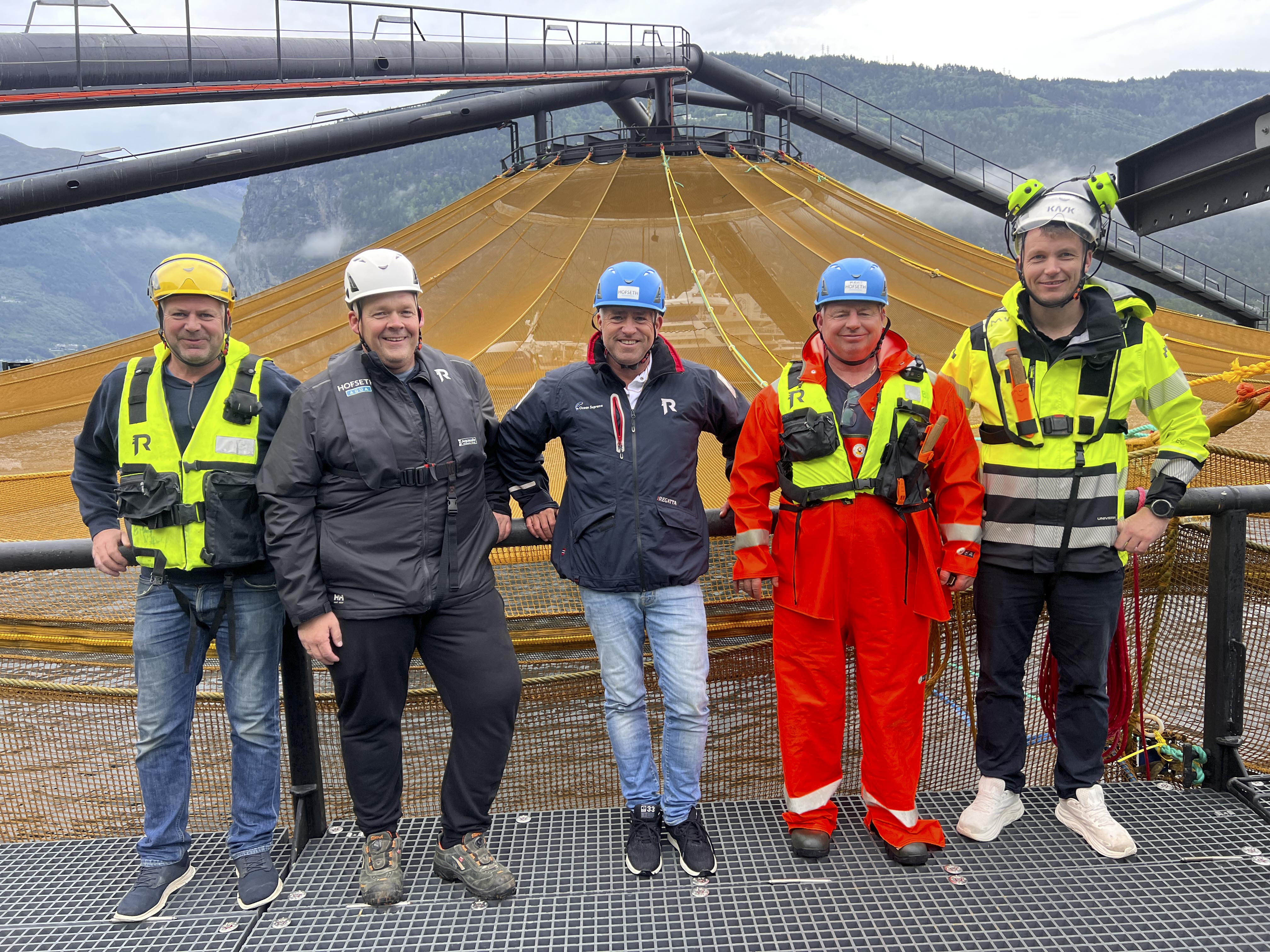
Havliljen is Norway's largest submersible fish pen, with a diameter of 62 metres. Unlike other submersible solutions, Havliljen is anchored to a 270-tonne weight on the seabed, and a winch lowers it to the desired depth in a controlled manner. The pen also has a double netting along the sides to reduce the risk of escapes.
The pen was lowered as soon as the fish were in place, and the top of the facility now sits about 15 metres below the surface. At this depth, there are fewer salmon lice, which reduces infestation pressure and the need to handle and treat the fish.
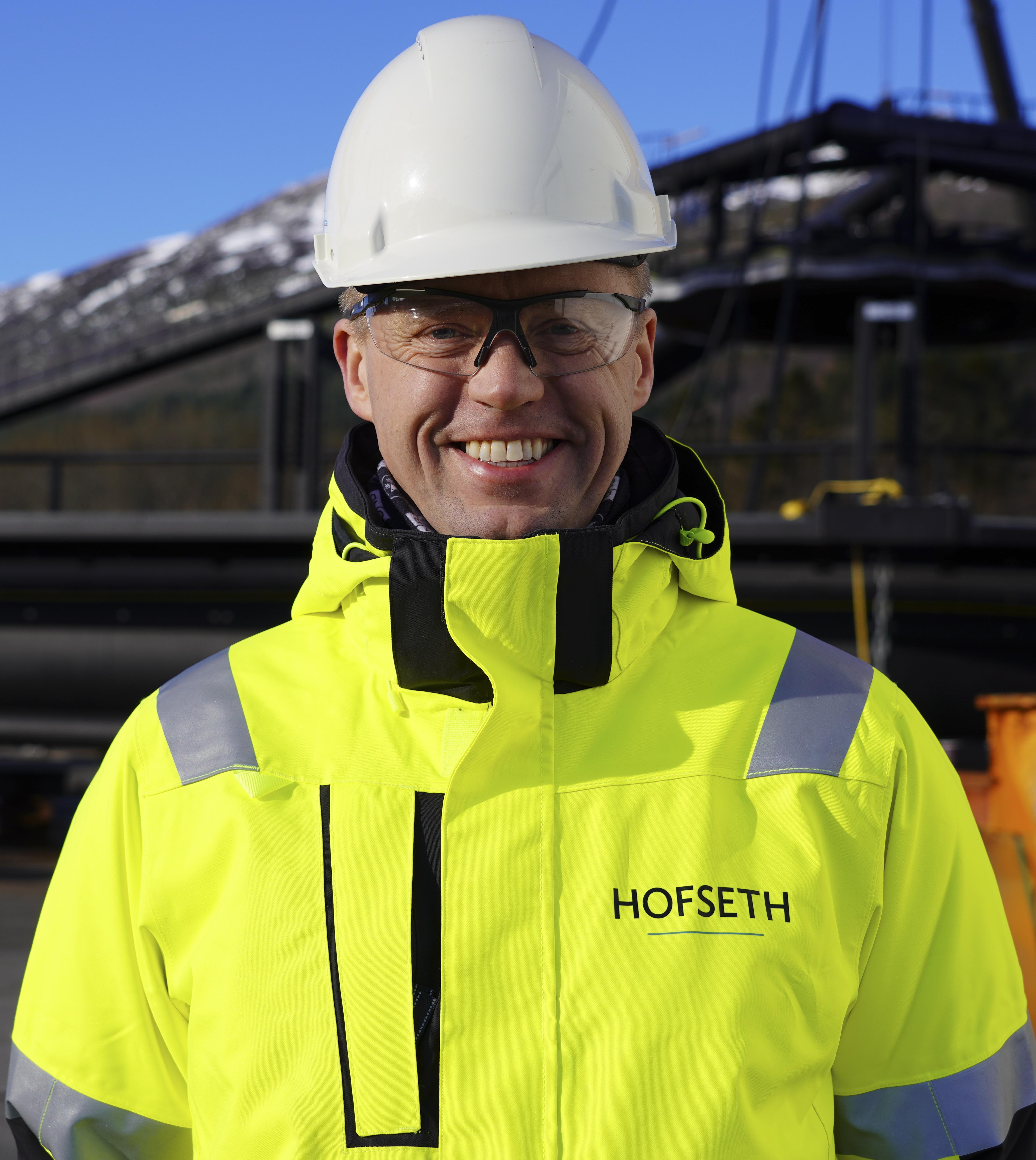
The transfer, the lowering, and the first weeks of operation have all gone according to plan, says project director Ole Nordal.
“We are very pleased with how things have started. The fish have settled in well and are eating and growing as they should. At the same time, Havliljen is a development concept, and we are working with live fish. Trying something new always involves some uncertainty. That’s why we are following both the fish and the facility closely, gathering valuable experience, and working to keep this positive development going,” he says.
The fish come from Tafjord Settefisk, Hofseth's own smolt and post-smolt facility.
Strong collaboration
Between 20 and 30 companies have contributed to the project, including BAUTA Maritime, AkvaGroup, HG Teknikk, and Rørtek.
“This has been a solid team effort. The collaboration and commitment from everyone involved are a key reason why the project has gone so well,” says Nordal.
Hofseth has been granted two development licences for Havliljen. Through full-scale operation, the company aims to gather experience and document results that can be shared with other operators in the aquaculture industry. Ongoing monitoring will provide knowledge about fish welfare, biological results, lice levels, and how the technology performs over time.